When ICE comes to Town, what happens to our Pets?
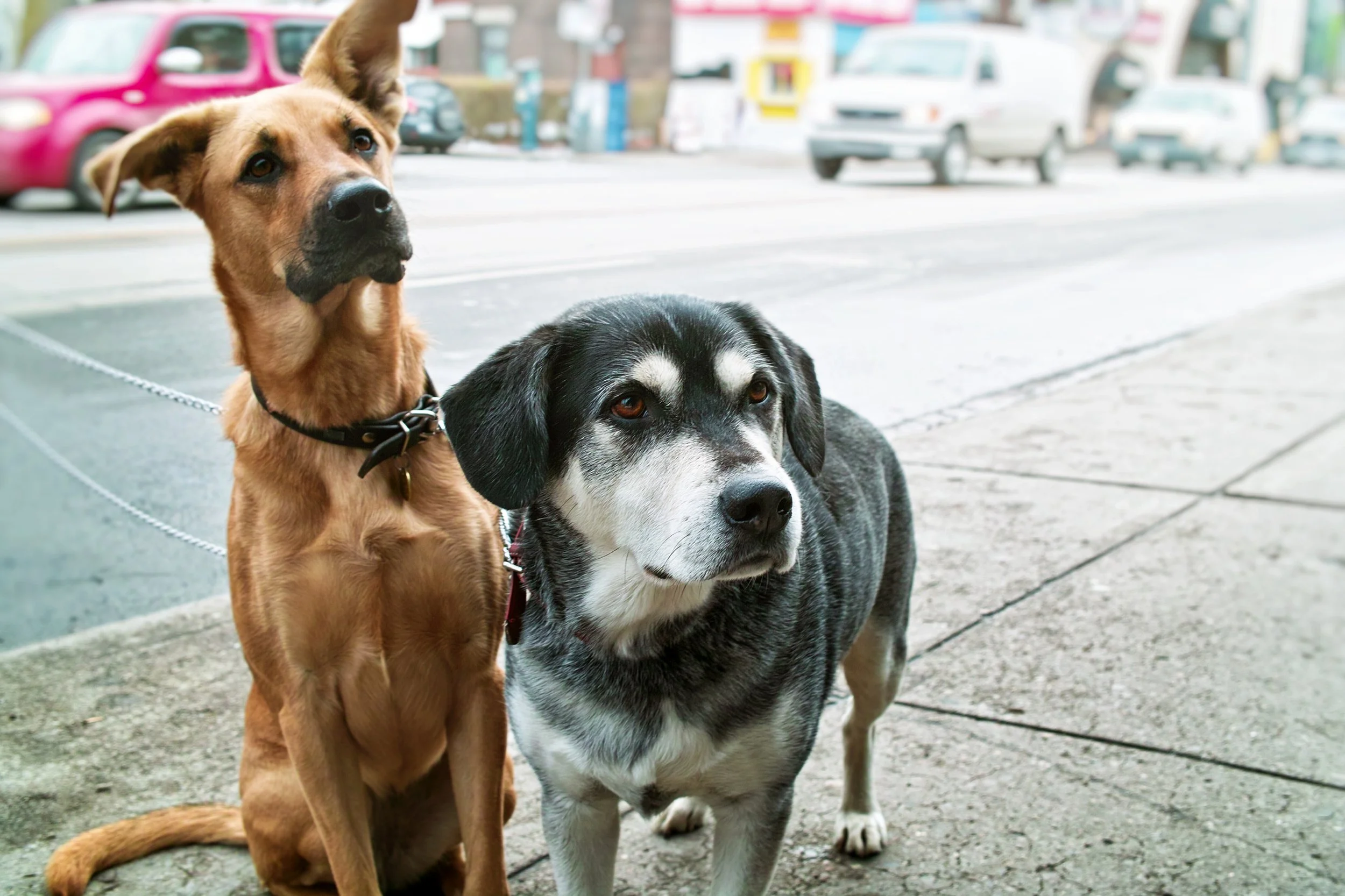
It could never happen here. . .Right?
Like most of you I have been keeping a close eye on what has been going on in Minneapolis (full disclosure: I grew up there). 3000 ICE agents descended on the city and disrupted daily life, terrorized citizens and noncitizens alike and horrifically, killed two individuals.
No matter your political persuasion, the sight of armed and masked Federal officers roaming the streets of an American city, entering homes without warrants, smashing car windows, and dragging individuals out must give us pause.
I'll take a breath here and remind myself that my "beat" is pets and what I want to do are two things. First, cover the impact of the Minneapolis surge on many pets, and second, think about how we can be prepared if ICE surges to one of our cities or towns.
It's hard to get information from the shelters in Minneapolis because they are overwhelmed. Thanks to the journalist, Anna Nguyen of the Sahan Journal, I was able to gather some street-level information.
According to Kerry D’Amato, the director of Pethaven, a foster-only shelter in the Twin Cities, “We started noticing an increase in stray and abandoned animals, dogs running loose with leashes and collars, in good condition, but no one claiming them. This started in September...It was unusual. We’d post on social media, expecting to find owners, but we weren’t. Then we noticed more abandoned animals in apartments and outside. It got really heavy in January.”
Underlying this is one of the causes: ICE agents picking up people off the street and letting dogs go loose. Or going into apartment buildings and taking people and having no plan to manage dogs. The dogs were abandoned.
It seems clear that ICE either doesn't believe that taking care of pets is their concern, or that they never planned for the eventuality.
This is also happening in other places. According to KFOX TV, in El Paso, Texas, Border Patrol Agents entered a house with the owner's permission. However, the owner warned the officers that he had placed his seven-year-old Rottweiler in the bathroom and asked them not to open the door. One agent ignored the advice, walked into the house, opened the bathroom door, the dog came out barking, and the agent shot the dog. As the dog bled to death, the agents offered no help.
At this point, it is important to remember that it's easy to point the finger at individual agents. But most often the problem is individuals who are mostly good, in a bad, disorganized and sometimes evil system. History offers plentiful examples.
My next point is what can we learn from the experience in Minneapolis, if a surge of ICE agents appears in your city?
Even for the Lone Rangers among us, who proudly live alone with their dog and a pickup truck, it starts with community. Know your neighbors. Talk about a plan if ICE shows up on your street or road. Know who has pets. Make sure your animals have collars with tags and they are chipped. This makes it much easier for Animal Control to locate you. Have digital and printed pictures of your pet readily available. If your pet ends up at the shelter, know that most shelters have minimum hold periods (5 to 7 days) before an animal can be permanently rehomed. Next, get window stickers that alert first responders to the presence of pets in the house.
In these times, it's vital to have a plan and a neighbor or family member who can respond if they can't get a hold of you for a few days (We all need a welfare check buddy!). Have a posted list in your kitchen with a feeding schedule and a list of medications. It's a good idea to create a letter, in print and electronically, that is easily accessible, that lists your relatives, who will take your pets and what to do in those first chaotic days when you are "missing." (a good idea even without the threat of ICE)
Finally, here is the secret for taking care of yourself and reducing your anxiety. It comes from Mr. Rodgers: "When I was a boy and I would see scary things in the news, my mother would say to me, 'Look for the helpers. You will always find people who are helping."
In times of crisis, let's all rise up to be helpers.